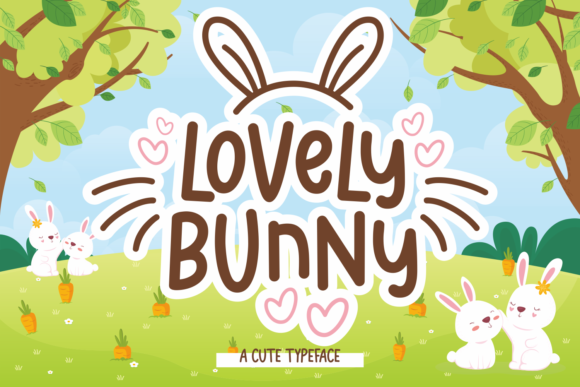
Lovely Bunny Font for Creative Design
Love the playful charm of Easter and the joy of kids’ projects? Lovely Bunny is a display font that brings that same warmth to editorial design, making it ideal for blogs, magazines, and digital publications. Its soft curves and friendly shape make it perfect for headings, covers, and visual accents that capture attention without overwhelming the reader.
Designed with a whimsical touch, Lovely Bunny blends the elegance of a handwritten script with the clarity of a modern typeface. The font’s gentle strokes and rounded edges create a sense of approachability, making it a great choice for content aimed at younger audiences or creative projects that benefit from a personal, inviting tone.
Using Lovely Bunny in Editorial Layouts
From blog headers to magazine covers, Lovely Bunny adds a unique visual identity to any project. It works especially well as a headline font, drawing readers in with its expressive character set. Whether you’re designing a lifestyle blog, a recipe ebook, or a printable planner, this font can elevate your typography while maintaining readability.
For example, a wellness blog might use Lovely Bunny for section headings, giving each post a fresh and engaging look. A wedding guide could feature the font on cover pages, adding a romantic and elegant feel. In a coaching workbook, it can be used for chapter openers, reinforcing the book’s friendly and encouraging tone.
Enhancing Visual Hierarchy and Branding
Visual hierarchy is key in editorial design, and Lovely Bunny supports this by standing out as a strong, distinct element. When paired with a readable serif or sans serif font, it creates a balanced layout that guides the reader through the content. This makes it an excellent choice for content branding, where consistency across different formats is essential.
Its personality also helps in building a publication’s brand identity. A newsletter using Lovely Bunny for headlines and pull quotes can develop a recognizable style that resonates with its audience. This is especially useful for independent content creators and small publishers looking to establish a unique voice in their field.
Practical Applications in Digital and Print Media
Whether you're working on a digital magazine, an ebook, or a printed worksheet, Lovely Bunny adapts well to different formats. On screens, its legibility remains strong, ensuring that readers can easily engage with your content. For print, the font maintains its clarity and charm, making it suitable for anything from educational materials to promotional flyers.
When using Lovely Bunny in longer text blocks, it's best to limit its use to short phrases or key elements like titles and captions. For body copy, pairing it with a clean, professional font ensures that the overall design remains readable and accessible across devices and platforms.
Font Pairing and Design Integration
Effective font pairing enhances the overall aesthetic of a publication. For instance, combining Lovely Bunny with a serif font like Georgia or Garamond can create a sophisticated yet warm look. Alternatively, pairing it with a modern sans serif like Open Sans or Lato offers a more contemporary feel, ideal for tech-focused or minimalist designs.
Consider the mood you want to convey when choosing complementary fonts. A children’s book might benefit from a playful script font alongside Lovely Bunny, while a business-related publication could use a more structured typeface to balance the font’s informal nature.
Commercial Use and Licensing
For those creating ebooks, templates, printables, or paid newsletters, it’s important to check the licensing terms of Lovely Bunny. Most premium fonts allow for commercial use, but specific restrictions may apply depending on the license type. Always review the font’s usage rights to ensure compliance, especially when distributing content to clients or publishing on platforms like Etsy or Gumroad.
Understanding these details helps prevent legal issues and ensures that your design work remains both creative and responsible. Many designers also appreciate fonts that offer multiple styles, alternates, and ligatures, as these features add flexibility and depth to typographic choices.
Creating Engaging Content with Lovely Bunny
Think about how Lovely Bunny can enhance your next project. A printable planner might use the font for monthly headings, adding a personal touch to each page. A digital magazine could feature it in article titles and pull quotes, making the content more visually dynamic. Even social media graphics can benefit from its friendly and expressive style.
For a recipe ebook, using Lovely Bunny for dish names and section headings can make the content feel more inviting and approachable. In a wedding guide, it can highlight key sections like venue ideas or vendor tips, helping readers navigate the content with ease.
Ultimately, Lovely Bunny is more than just a font—it’s a tool that supports creativity, engagement, and effective communication. Whether you’re designing for a blog, a publication, or a client, this display font offers a versatile and appealing option for editorial design and content branding.